Valve Confirms Steam Deck 2 Is in Development — But Don't Hold Your Breath
Valve officially confirmed Steam Deck 2 is in active development but won't ship until there are major silicon improvements — a 2028 window is looking likely.
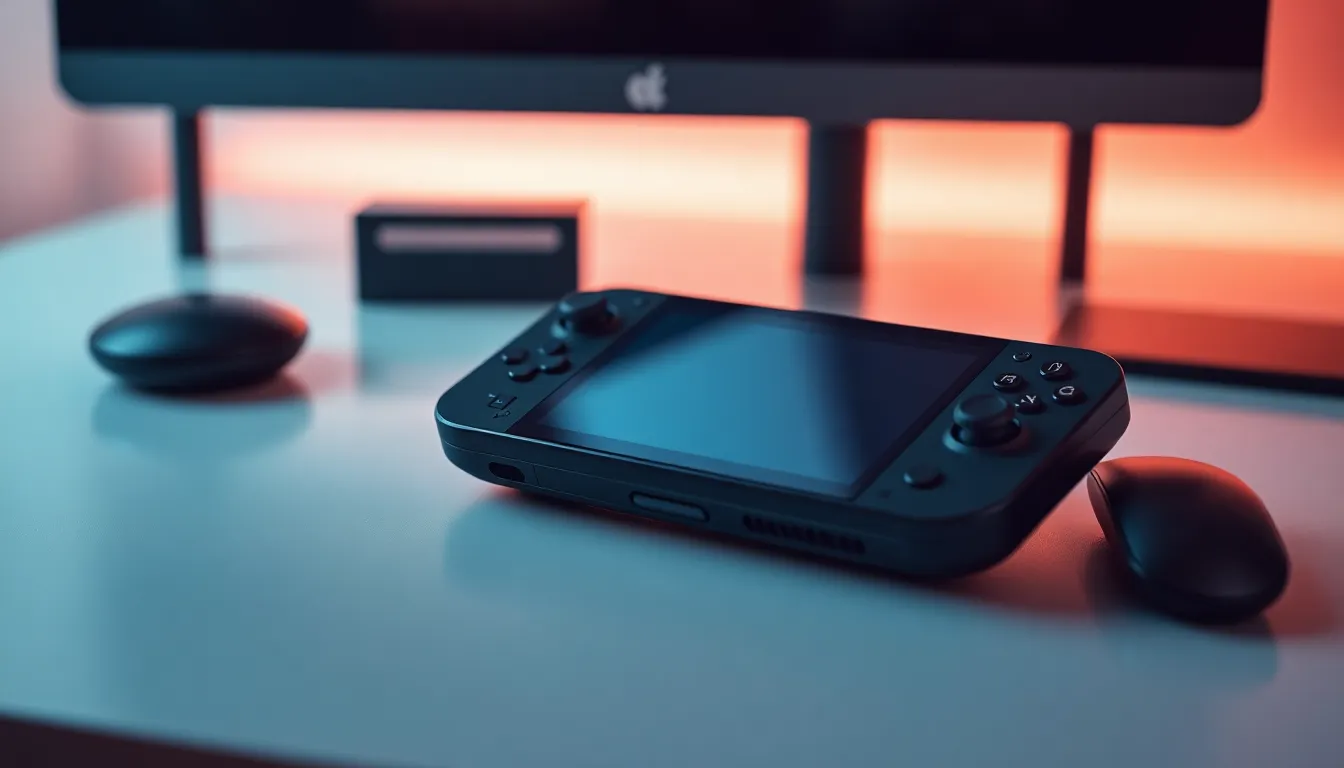
Good news and bad news, Deck fans. Valve has officially confirmed that Steam Deck 2 is in active development — but they're also making it crystal clear that it's not coming anytime soon.
What Valve Actually Said
Pierre-Loup Griffais, one of the engineers behind the original Steam Deck, stated publicly that the team is "hard at work" on the next device. But Valve is setting a specific bar before they'll ship it: they want a "major architectural improvement" from silicon partners — meaning the chips that power the device need to take a genuine leap forward before Valve pulls the trigger.
The message is clear. Valve isn't interested in releasing a Steam Deck that's just a bit faster. More power alone, without a corresponding improvement in battery life, doesn't clear the bar for them.
Why the Wait?
The original Steam Deck's biggest limitation wasn't raw performance — it was battery life. At high settings, you're looking at 1.5 to 2 hours on demanding titles. Valve clearly wants that problem solved before launching a successor, not patched over with a larger battery pack that adds weight.
That means they're waiting on AMD, or possibly another silicon partner, to deliver a chip architecture that provides drastically better performance at the same or lower power draw. Industry analysts are pointing to a potential 2028 release window based on the current semiconductor roadmap, though Valve hasn't confirmed a date.
What This Means for Current Steam Deck Owners
If you bought a Steam Deck OLED, you're in good shape. Valve's own track record shows they support their hardware for a long time — the original Steam Deck still gets updates and runs modern games well. There's no rush to wait for the sequel.
For people still deciding whether to buy a Steam Deck right now, the calculus hasn't really changed: the OLED model is excellent hardware and there's no imminent replacement coming. If you want a handheld PC gaming device in 2026, the current Deck is still the answer.
The Competition Isn't Standing Still
While Valve waits for the right chip, competitors like ASUS ROG and Lenovo continue updating their own handheld gaming PCs. Neither has matched the Steam Deck's price-to-performance ratio or software integration with the Steam ecosystem, but the field is getting more crowded every year.
Valve's patience-first approach is a calculated bet: skip the incremental update, wait for a real leap, and ship something that makes the Steam Deck 2 feel like a generation jump rather than a spec bump. If the silicon gets there by 2028, that strategy could pay off in a big way.
The Bottom Line
Steam Deck 2 is real, it's being worked on, and Valve is refusing to rush it. For a company that famously ships things when they're ready rather than when analysts expect them, that's actually a reassuring sign. The wait might be long — but what comes out the other end should be worth it.
Newsletter
Subscribe to Gamer Cave
Weekly digest. The best stories. No spam.